

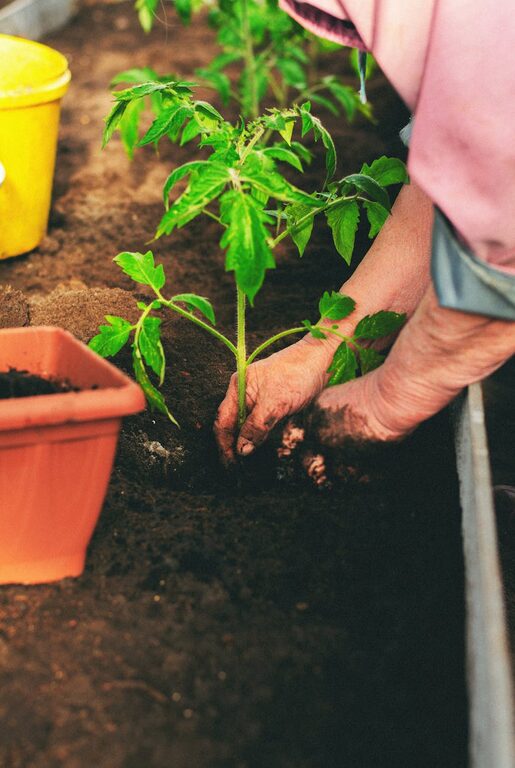
Creating a sustainable home garden all year round is a rewarding way to connect with nature, reduce your environmental impact, and enjoy fresh, homegrown plants. Whether you have a small balcony, a backyard, or just a windowsill, it is possible to cultivate a garden that thrives through every season with the right approach. In this guide, we’ll explore practical tips to help you establish and maintain a sustainable garden that benefits both you and the environment.
Understanding Sustainable Gardening
Sustainable gardening focuses on methods that conserve resources, support biodiversity, and minimise waste. This approach encourages gardeners to work with natural cycles and ecosystems rather than against them. The result is a garden that’s not only productive but also environmentally responsible.
Planning Your Sustainable Garden
Choose Native and Adapted Plants
Selecting plants native to your region or well-adapted species is key. These plants usually require less water, fertiliser, and pest control because they have evolved to thrive in local conditions. Native plants also support local wildlife such as bees, butterflies, and birds.
Design with Seasons in Mind
Plan your garden to ensure there’s something growing throughout the year. Mix perennials, annuals, and seasonal vegetables so that you have continuous harvests or blooms. Think about how plants will mature and spread sunlight and shade to each other to create a balanced ecosystem.
Consider Space and Scale
Assess the space available and choose plants that suit it well. Overcrowding can lead to disease and pest problems, while underutilised space is wasted potential. For small spaces, vertical gardening or container planting can maximise your growing area in an eco-friendly way.
Sustainable Garden Practices
Composting Organic Waste
Composting is one of the best ways to recycle kitchen scraps and garden waste into nutrient-rich soil. It reduces landfill waste and supplies your garden with organic matter that improves soil structure and fertility.
Water Conservation Techniques
Water is a precious resource, so using it wisely is an important part of sustainable gardening.
– Collect rainwater using barrels or containers.
– Water plants early in the morning or late in the evening to reduce evaporation.
– Use mulch around plants to retain moisture and suppress weeds.
– Choose drought-tolerant plants where possible.
Natural Pest Control
Avoid chemical pesticides by encouraging beneficial insects like ladybirds, lacewings, and hoverflies that prey on common pests. You can attract these helpful creatures by planting herbs and flowers such as marigolds, dill, and fennel.
Crop Rotation and Companion Planting
Practising crop rotation—changing the location of crops each season—helps prevent soil depletion and disrupts the life cycles of pests and diseases. Companion planting involves placing plants next to each other that benefit one another, such as beans fixing nitrogen for leafy greens, or planting basil near tomatoes to deter pests.
Year-Round Gardening Tips
Use Cold Frames and Greenhouses
Cold frames and greenhouses extend the growing season by protecting plants from frost and wind. They create a microclimate that can keep your garden productive even in colder months, reducing the need for heating and extra energy input.
Grow a Variety of Plants
Mix vegetables, herbs, flowers, and fruit shrubs to maintain biodiversity and a resilient garden environment. Diverse plantings attract a wider range of pollinators and natural pest controllers.
Indoor Gardening Options
If outdoor space is limited during winter, try indoor gardening. Windowsills, grow lights, and hydroponic systems allow you to grow herbs and small vegetables year-round without significant resource use.
Maintaining Healthy Soil
Avoid Synthetic Chemicals
Rely on natural fertilisers like well-aged compost, manure, or seaweed extracts to nourish your soil. These improve soil health and do not introduce harmful substances.
Regular Soil Testing
Testing your soil periodically helps you understand its nutrient balance and pH. Adjust your plant choices or soil amendments accordingly to create optimal growth conditions.
Mulching and Ground Cover
Mulch not only conserves moisture but also reduces erosion and suppresses weeds. Organic mulches such as straw, bark, or leaves slowly break down and improve soil texture.
Practical Tools for Sustainable Gardening
– Hand tools: Opt for durable, high-quality garden tools to reduce waste.
– Rainwater harvesting setups: These help efficiently collect and store water.
– Garden journals: Keeping a record of planting dates, weather, and harvests can guide better planning.
– Seed saving kits: Collect seeds from your mature plants to reuse and share, reducing reliance on packaged seeds.
Conclusion
Creating a sustainable home garden all year round is a fulfilling way to live more harmoniously with nature. By choosing the right plants, conserving water, enhancing soil health, and encouraging biodiversity, your garden can flourish sustainably through every season. Start small, observe the needs of your plants, and remember that sustainability is a journey of continuous learning and care. Happy gardening!