

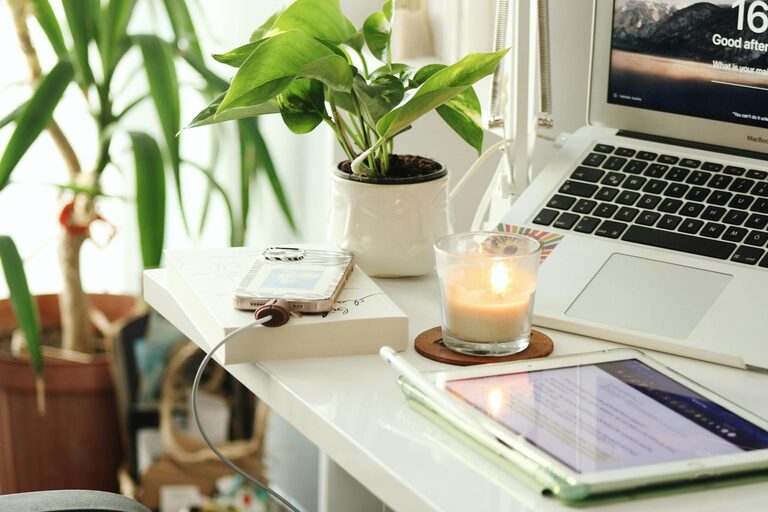
Working from home has become increasingly common, and having a productive home office environment is essential for maintaining focus, efficiency, and work-life balance. Whether you are new to remote working or looking to improve your current setup, creating a dedicated and organised workspace can make a significant difference. In this article, we will explore helpful tips to design a home office that supports your productivity.
Choose the Right Location
Selecting the right spot for your home office is the first step. Ideally, this should be a quiet area with minimal distractions. Here are some considerations:
– Separate from living spaces: Avoid places like the kitchen or bedroom if possible, to help keep work and personal life distinct.
– Natural light: Choose a room or corner with plenty of daylight, which can improve mood and reduce eye strain.
– Space: Ensure there is enough room for your desk, chair, and any equipment you need without feeling cramped.
Invest in Comfortable and Ergonomic Furniture
Your comfort directly affects your productivity. Investing in ergonomic furniture helps prevent physical discomfort and encourages good posture.
– Ergonomic chair: Choose one with lumbar support and adjustable height.
– Desk: Opt for a desk at the right height that allows your elbows to be at 90 degrees when typing.
– Accessories: A footrest, wrist rest, or a sit-stand desk converter can add extra comfort.
Keep Your Workspace Organised
An organised workspace reduces clutter and distractions, allowing you to focus better.
– Declutter regularly: Keep only the essentials on your desk.
– Storage solutions: Use shelves, filing cabinets, or desk organisers to keep documents and supplies tidy.
– Cable management: Use cable clips or sleeves to prevent cables from tangling and creating mess.
Minimise Distractions
Creating an environment free from distractions helps maintain concentration throughout the day.
– Inform household members: Let others know your work hours to minimise interruptions.
– Use noise-cancelling headphones: These can block background noise, especially if you don’t have a separate room.
– Turn off notifications: Silence non-work related phone notifications during your working hours.
Optimise Lighting
Good lighting is crucial to reduce eye strain and maintain alertness.
– Natural light: Position your desk near a window but avoid glare on screens.
– Task lighting: Use a desk lamp with adjustable brightness for focused work.
– Room lighting: Ensure overhead lighting is soft and evenly distributed.
Personalise Your Space Thoughtfully
Adding personal touches can make your home office more inviting and motivating without causing distractions.
– Plants: Indoor plants improve air quality and create a calming atmosphere.
– Artwork: Display inspiring images or quotes.
– Colours: Choose calming colours like blues and greens, which promote focus and relaxation.
Establish a Routine and Boundaries
The environment alone isn’t enough; habits and routines help sustain productivity in a home office setting.
– Set working hours: Stick to consistent start and finish times.
– Breaks: Take regular breaks to rest your eyes and stretch your body.
– Dress for work: Wearing work-appropriate clothes can help shift your mindset into ‘work mode’.
Ensure Reliable Technology
Technical issues can disrupt your flow, so the right equipment and reliable internet are essential.
– Stable internet connection: Use a wired connection or position yourself near the router.
– Good quality peripherals: Invest in a decent keyboard, mouse, and monitor.
– Backups: Regularly save your work and consider cloud storage for important files.
Maintain Good Air Quality and Temperature
A comfortable climate helps with concentration and overall wellbeing.
– Ventilation: Open windows regularly or use an air purifier.
– Temperature: Keep the room at a comfortable temperature, ideally between 18-22°C.
– Humidity: A humidifier can help during dry seasons.
Final Thoughts
Designing a productive home office environment combines creating a suitable physical space with adopting habits that support focus and well-being. By choosing the right location, investing in ergonomic furniture, organising your workspace, minimising distractions, and maintaining good routines, you can enhance your work-from-home experience significantly.
Remember that your home office should be a place where you feel comfortable and motivated to work, enabling you to be at your best every day. Take the time to customise your setup, and it will pay off in your productivity and job satisfaction.