

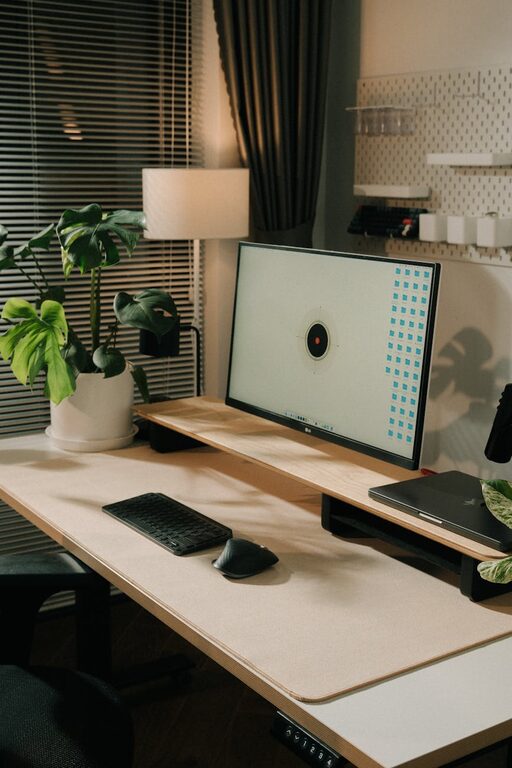
Creating a relaxing home office environment is essential for maintaining focus, reducing stress, and enhancing productivity. Whether you work remotely full-time or occasionally need a quiet space for tasks, your home office should be a place where you feel comfortable and motivated. In this post, we’ll explore useful tips to help you design a tranquil workspace that supports your workflow and overall wellbeing.
1. Choose the Right Location
Selecting the proper spot for your home office is the foundation of a relaxing environment.
– Natural Light: Aim to position your desk near a window to benefit from natural light. Sunlight can improve mood and energy levels.
– Quiet Area: Pick a place away from noisy household activities or street noise, if possible.
– Space: Ensure your chosen spot has enough room for your desk, chair, and any necessary equipment without feeling cramped.
2. Invest in Comfortable Furniture
Comfort plays a vital role in preventing discomfort and distractions during work hours.
– Ergonomic Chair: A good chair with adjustable height, lumbar support and comfortable cushioning can reduce back pain and fatigue.
– Suitable Desk: Choose a desk that fits your available space and provides enough surface area for your computer, stationery, and other essentials.
– Alternative Options: Consider standing desks or balance balls if you want to vary your posture throughout the day.
3. Organise and Declutter
A tidy workspace promotes focus and lowers stress.
– Storage Solutions: Use shelves, drawers, and organisers to keep documents and supplies neat and within reach.
– Cable Management: Tidy cables with clips or cord organisers to prevent a messy look.
– Daily Routine: Spend a few minutes at the end of each day clearing your desk to start fresh tomorrow.
4. Incorporate Calming Colours and Decor
The colours and decor in your home office can influence your mood and productivity.
– Colour Choices: Opt for soothing shades like soft blues, greens, or neutrals that promote relaxation.
– Minimalist Style: Keep decorations simple to prevent distraction.
– Plants: Adding some greenery can improve air quality and create a calming atmosphere.
5. Control Lighting
Proper lighting reduces eye strain and creates a comfortable setting.
– Adjustable Lighting: Use desk lamps or floor lamps with adjustable brightness to supplement natural light.
– Warm Light: Choose warm white bulbs rather than harsh fluorescent lighting.
– Avoid Glare: Position screens and light sources to reduce glare on monitors.
6. Personalise Your Space
Adding personal touches makes your workspace inviting and inspiring.
– Photos and Artwork: Display pictures or art that uplift your mood.
– Inspirational Quotes: Place reminders that motivate you.
– Comfort Items: Incorporate items like cushions or a soft rug to enhance physical comfort.
7. Manage Noise Levels
A peaceful workspace helps maintain concentration.
– Noise-Cancelling Headphones: Useful if complete silence is hard to achieve.
– Background Music: Soft instrumental music or nature sounds can aid focus.
– Soundproofing: Use rugs, curtains, or acoustic panels to absorb sound.
8. Establish Boundaries
To maintain a relaxing home office, it’s important to distinguish work time and space from personal life.
– Set Working Hours: Stick to a schedule to avoid overworking.
– Communicate: Let household members know your work times and need for quiet.
– Physical Boundaries: Use screens or room dividers if your office is in a shared space.
9. Keep Technology Up to Date
Efficient and reliable technology reduces frustration.
– Quality Equipment: Invest in monitors, keyboards, and mice that suit your needs.
– Fast Internet: Ensure your internet connection is stable.
– Regular Maintenance: Keep your devices clean and updated to prevent problems.
10. Take Breaks and Move Around
Lastly, a relaxing workspace should encourage healthy habits.
– Short Breaks: Step away from your desk every hour to stretch or refresh.
– Comfortable Area: Include a cosy chair or space for brief relaxation.
– Hydration and Snacks: Keep water and healthy snacks nearby.
—
Creating a relaxing home office environment takes a bit of planning but has long-term benefits for both productivity and wellbeing. By choosing the right location, investing in comfort, reducing clutter, and personalising your space, you can design a workspace that feels calm and energising. Remember, a comfortable and organised office encourages better focus and helps turn work into a more enjoyable experience.