

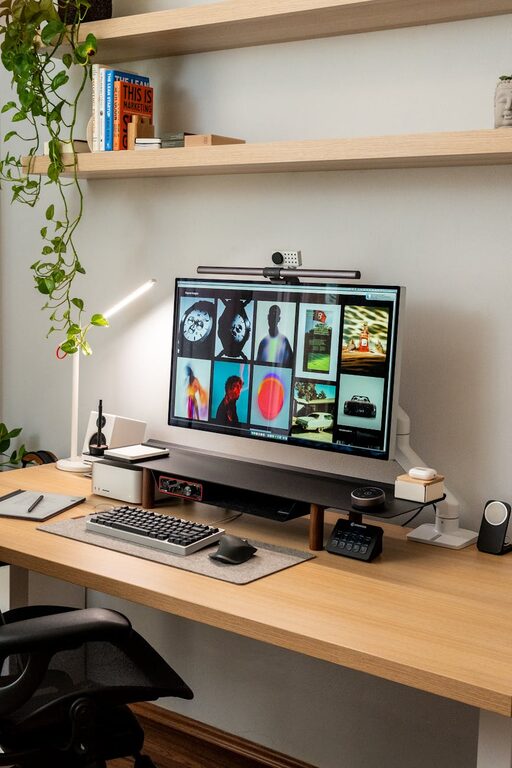
Creating a home office that is both comfortable and productive is essential for anyone working from home, whether full-time or occasionally. A well-designed workspace fosters focus, reduces stress, and can even improve your overall work performance. In this post, we’ll explore practical tips and ideas to help you build a home office space that meets your needs and supports your work style.
1. Choose the Right Location
The first step in creating a functional home office is selecting the right spot in your home. Consider the following:
– Quiet and private: Aim for a space away from household noise and distractions, such as children playing or TV sounds.
– Natural light: Position your desk near a window if possible. Natural light helps improve mood and reduces eye strain.
– Ventilation and temperature: Ensure the area is well-ventilated and comfortable in terms of temperature. Avoid corners with poor airflow.
Even a corner of a spare room or a nook in the living room can work well if you organise it thoughtfully.
2. Invest in an Ergonomic Chair and Desk
Comfort is key when you’re spending hours at your desk. Invest in furniture that supports good posture:
– Ergonomic chair: Choose a chair with adjustable height, lumbar support, and a seat cushion that’s firm yet comfortable.
– Desk height: Your desk should allow your forearms to be parallel to the floor when typing. Adjustable desks or sit-stand desks can be a great option to vary your position.
– Keyboard and mouse setup: Position these so your wrists stay straight and your elbows stay close to your body.
Taking care of ergonomics will help reduce fatigue and avoid common aches and pains.
3. Maintain Good Lighting
Proper lighting plays a big role in comfort and productivity:
– Use a combination of natural light and task lighting such as a desk lamp.
– Avoid harsh overhead fluorescent lights which can cause glare or headaches.
– Position screens to minimise reflections and avoid working with your back to a window, which can cause eye strain.
Consider warm-toned LED lights for a cosy atmosphere that’s easier on the eyes.
4. Keep Your Desk Organised and Clutter-Free
A tidy workspace promotes a clear mind. Try these organisation tips:
– Use storage solutions like drawers, shelves, and boxes to keep documents and stationery out of sight.
– Arrange frequently used items within easy reach.
– Go paperless where possible to reduce piles of paper.
– Implement a daily or weekly tidy-up routine to maintain order.
Minimal clutter helps reduce distractions and makes it easier to focus on your work.
5. Personalise Your Space
Your home office should also be a welcoming environment. Adding personal touches can enhance comfort and motivation:
– Display photos, artwork, or plants to create a pleasant atmosphere.
– Choose colours and decorations that make you feel calm or inspired.
– Use comfortable textiles such as cushions or rugs.
While personalisation helps, keep it balanced so your space remains professional and distraction-free.
6. Set Boundaries and Routine
Working from home presents unique challenges around managing time and separating work from personal life:
– Define your working hours and stick to them as closely as possible.
– Use physical boundaries like a door or room divider to signal when you are working.
– Communicate your schedule with other household members to minimise interruptions.
– Build regular breaks into your day to rest your eyes, stretch, and refresh your mind.
Clear boundaries help maintain work-life balance and boost long-term productivity.
7. Utilise Technology Wisely
Having the right technology set up can streamline your work:
– Ensure you have a reliable internet connection.
– Use quality peripherals such as a good monitor, keyboard, and microphone.
– Set up cloud storage or file-sharing tools for easy access to documents.
– Consider noise-cancelling headphones to minimise background noise during calls.
It’s worth spending time and money on tech that supports your workflow effectively.
8. Incorporate Movement and Comfort Breaks
Sitting for long periods can have negative effects on health and focus. Incorporate:
– Regular short breaks to stand, stretch, or take a quick walk.
– A sit-stand desk or desk converters to alternate positions.
– Simple desk exercises or yoga stretches that can be done during breaks.
Movement boosts circulation and helps maintain energy and concentration throughout the day.
—
Creating a home office tailored to your needs takes some thought, but the benefits in comfort and productivity are well worth it. Start with these tips and adapt your space over time to find what truly works best for you. A comfortable, organised workspace can transform the way you work and make your home working days more enjoyable.